

Gekopieër
Solidarity to engage with SA and US governments about an investigation into labour practices
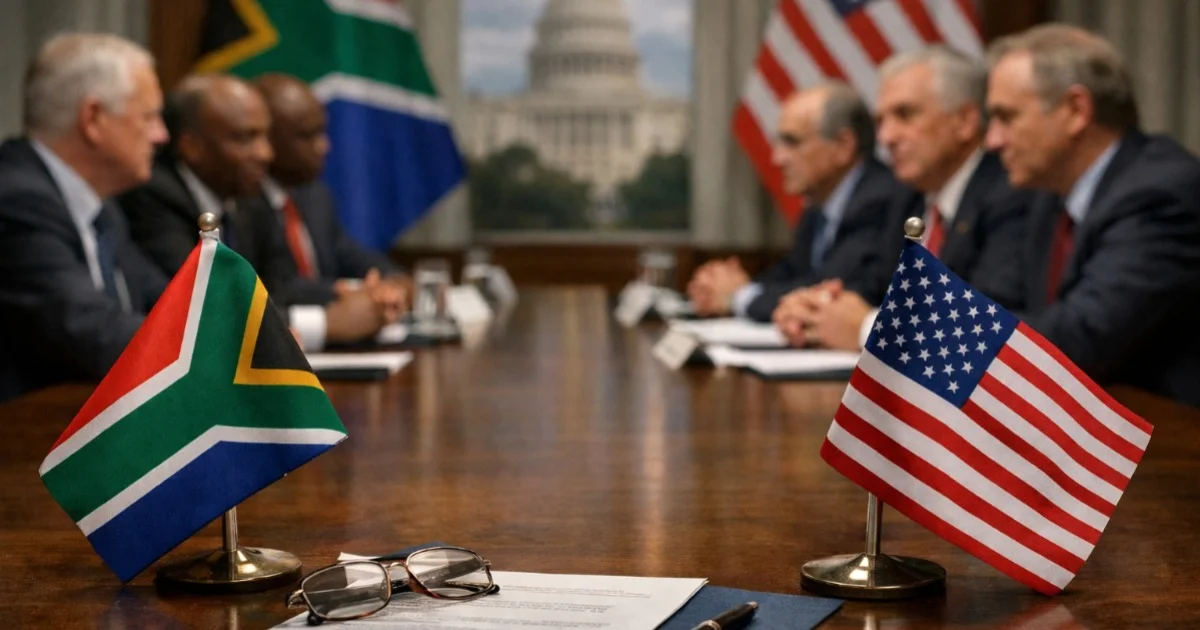
Solidarity will urgently engage in discussions with the South African and American governments regarding discriminatory labour practices. This follows the announcement by the US Trade Representative that several countries, including South Africa, are currently under investigation for alleged forced labour and discriminatory practices.
The investigation, under section 301 of the US Trade Act, could result in the suspension of all trade with South Africa if evidence of the alleged wrongdoing is found. Another possible outcome is the imposition of renewed high import tariffs on South African goods, which would also be very detrimental to South Africa.
Given the already high levels of unemployment and job losses that have occurred since August last year, when the US first imposed tariffs on South African goods, Solidarity is very concerned about the consequences of this investigation for ordinary South African workers employed in various sectors that are currently heavily dependent on exports to the US.
Solidarity is also concerned that there is real possibility that American investigators could find South Africa guilty of especially discriminatory practices related to racial legislation in the workplace.
Such a finding could lead to immediate economic sanctions.
According to a notice from the United States Trade Representative, section 301 of the Trade Act of 1974 is designed to address unfair foreign practices that affect US trade. It can result in the suspension of exports from a country found guilty, or other actions, such as the imposition of tariffs, being taken against that country.
The US government has previously indicated that black economic empowerment constitutes a trade restriction, and the new US ambassador reiterated these concerns as recently as last week.
New regulations, recently approved by parliament, which grant the Minister of Labour and Employment sweeping new powers to set racial quotas for industries, are also likely to meet the definition of discriminatory practices.
Solidarity plans to engage with the Minister of Trade and Industry as soon as possible to identify local solutions. Regardless of the US investigation, the racial quotas under the Employment Equity Act are detrimental to South Africa and South Africans. Solidarity will also engage with the US once discussions with the South African government have been concluded.
South Africa’s discriminatory labour practices are contrary to international conventions, as confirmed in the settlement negotiated by Solidarity and the government under the supervision of the International Labour Organisation (ILO). By continuing to do so, the government exposes South Africa to numerous trade risks by alienating important partners such as the US and Europe.